
What STIs are
STIs are infections that can pass between people through sexual contact. They are common, and many can be treated easily, especially when found early. Some cause no symptoms, which is why testing matters even when you feel well.
Protecting your health
A few straightforward steps help protect against STIs and their effects.
- Using condoms, which reduce the risk of many STIs
- HPV vaccination, which helps protect against cancers linked to HPV
- Having a check-up or test if you have any concerns
Testing and confidential access in NSW
Testing is usually simple, often a urine sample, a swab or a blood test. A GP or a sexual health clinic can arrange it. In NSW, a young person who a clinician assesses as mature enough to understand the care may be able to consent to testing and treatment and have a confidential consultation. A clinician will explain what stays private, and the limits, for example, if someone is at risk of serious harm. You can ask about confidentiality at the start of an appointment.
Frequently asked questions
Sources & further reading
This page is structured around information from reputable Australian health bodies:
Related articles
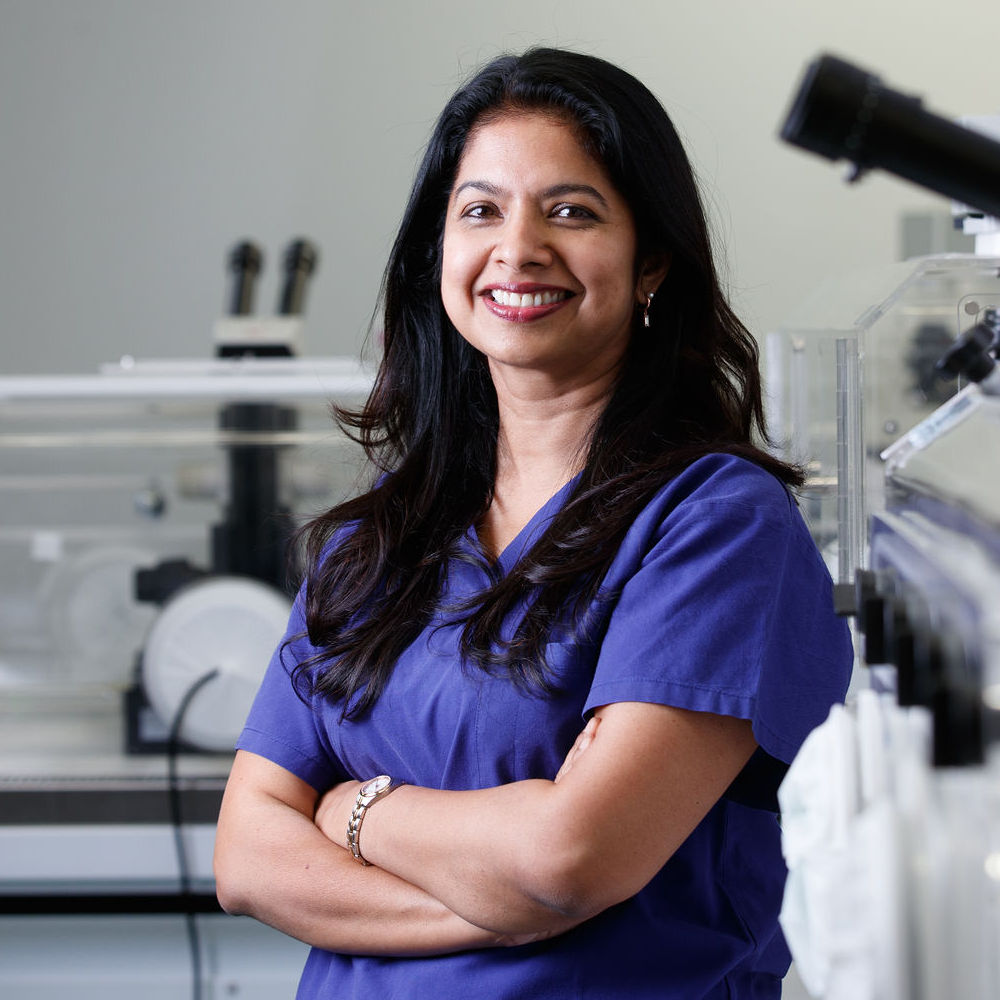
More plain-language reading from Dr Sivadas.

Questions about sexual health?
Appointments are managed on the practice site.
Consulting locations
Parramatta
Monash IVF
Level 2, 1 Fennell Street
Parramatta NSW 2151
Bella Vista
Norwest Private Hospital
Suite 106, 11 Norbrik Drive
Bella Vista NSW 2153
Penrith
Somerset Specialist Centre
Level 3/38 Somerset St
Penrith NSW 2747