
Common reasons people see a gynaecologist
People see a gynaecologist for a wide range of reasons. Common ones include:
- Painful, heavy or irregular periods
- Pelvic pain
- Questions about fertility or planning a pregnancy
- Symptoms of perimenopause or menopause
- Bleeding that is unusual for you, including any bleeding after menopause
Symptoms worth getting checked
It is reasonable to seek advice if a symptom is new, persistent, getting worse, or affecting your daily life. You can read more about specific topics on this site:
- Fertility and reproductive health
- Endometriosis and adenomyosis
- PCOS and hormonal disorders
- Menstrual and bleeding disorders
- Menopause and perimenopause
How referrals work in Australia
In most cases you will see your GP first. If specialist care would help, your GP can provide a referral. A referral also has implications for Medicare rebates, which your GP or the practice can explain.
What happens next
Once you have a referral, you can book an appointment. The 'What to expect at your appointment' page explains what usually happens and how to prepare.
Frequently asked questions
Sources & further reading
This page is structured around information from reputable Australian health bodies:
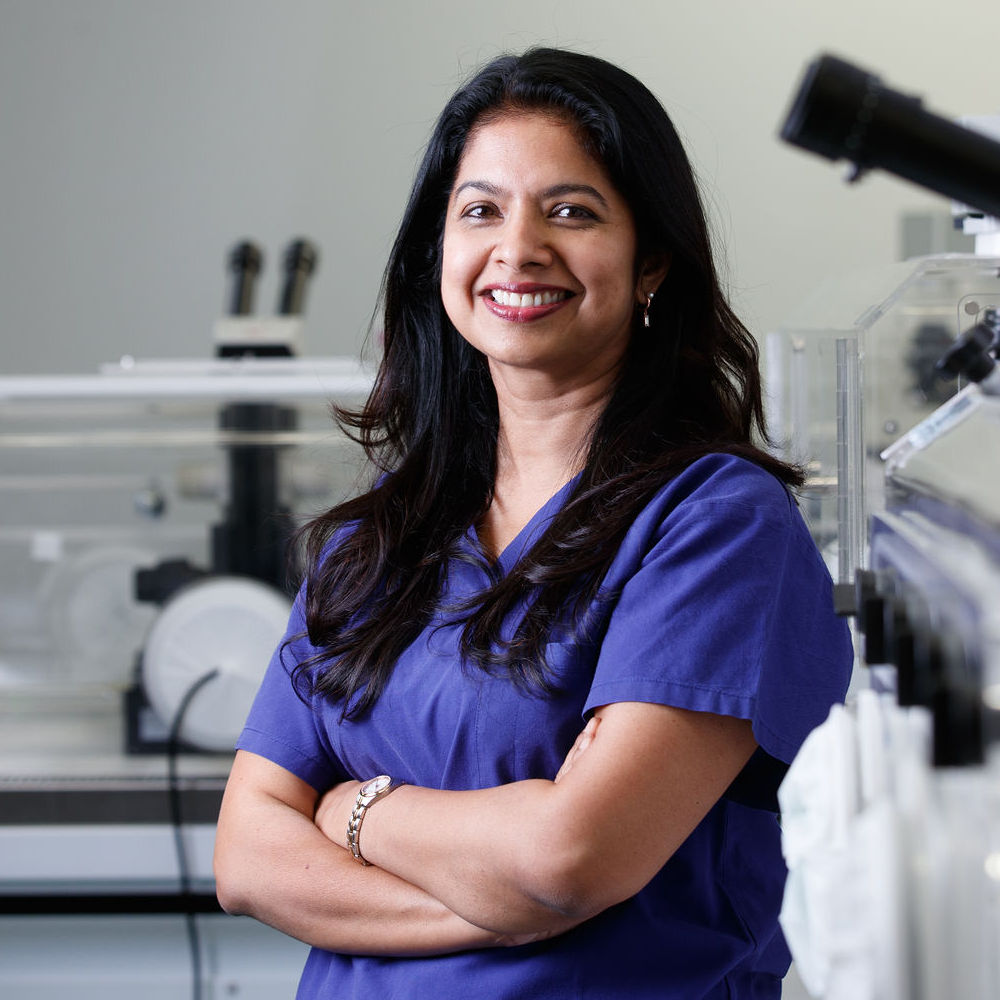

Think it's time? Book a consultation with Dr Sivadas.
Appointments are managed on the practice site.
Consulting locations
Parramatta
Monash IVF
Level 2, 1 Fennell Street
Parramatta NSW 2151
Bella Vista
Norwest Private Hospital
Suite 106, 11 Norbrik Drive
Bella Vista NSW 2153
Penrith
Somerset Specialist Centre
Level 3/38 Somerset St
Penrith NSW 2747